Home / Books
Books

The Emotionally Exhausted Woman: Why You're Feeling Depleted & How To Get What You Need
Ein Eselsohr, kalter Kaffee und diese eine Frage im Kopf
Es war nicht der Titel, der mich erwischt hat, sondern das Eselsohr. Seite 143. Irgendjemand hatte sie umgeknickt, als müsste man genau dort kurz anhalten, nachdenken, ehrlich gesagt vielleicht sogar schlucken. Unsere Firma verkauft Autorenbücher über Psychologie, keine Massenware, keine glattgebügelten Ratgeber mit perfekten Antworten, sondern Texte mit Kanten, Zweifeln, Wiederholungen. Bücher, die man liest wie ein Gespräch nachts um halb zwei. Wer schon mal ein solches Buch aufgeschlagen hat, weiß, dass man dabei oft abschweift. Zur eigenen Kindheit. Zu alten Entscheidungen. Zu dieser einen Situation, in der man auf Risiko gegangen ist, sei es im Leben oder bei einer spontanen Runde Karten oder Slots, einfach um zu fühlen, dass man noch lebt.
Mal unter uns, Psychologie und Glücksspiel sind entfernte Cousins. Beide drehen sich um Hoffnung, Kontrolle, Verlustangst. Ich saß neulich in unserem kleinen Lager, zwischen Kartons voller frisch gedruckter Bücher, und hörte zwei Kollegen diskutieren. Der eine schwört auf rationale Entscheidungen, der andere erzählt von einer Nacht mit Online Slots, von diesem Moment kurz vor der Auszahlung, wenn das Herz schneller schlägt. Und irgendwo dazwischen lag ein Buch über Entscheidungsfindung, leicht schief auf dem Tisch, mit Kaffeefleck. Genau in solchen Momenten wird klar, warum unsere Partnerschaft mit Jokerstar Casino gar nicht so absurd ist, wie sie auf dem Papier klingt. Es geht nicht ums Gewinnen um jeden Preis, sondern ums Verstehen. Warum setzen wir? Warum hoffen wir? Warum lesen wir Bücher, die uns manchmal mehr Fragen als Antworten geben?
Ich erinnere mich an eine Lesung, klein, vielleicht zwanzig Leute. Einer fragte, ob Psychologie helfen könne, bessere Wetten zu platzieren. Gelächter. Dann Stille. Die Autorin antwortete ruhig, dass es eher darum gehe, sich selbst zu erkennen, bevor man setzt, ob bei Sportwetten, bei einer Lotterie oder im echten Leben. Genau das verkaufen wir. Keine Lösungen in Bulletpoints, sondern Denkstoff. Geschichten über Kontrolle und Kontrollverlust, über Gewinne und diese seltsamen, leisen Niederlagen. Und ja, manche Leser schreiben uns später, dass sie nach der Lektüre bewusster spielen, andere sagen, sie hätten aufgehört, wieder andere genießen die Spannung jetzt erst recht. So ist das eben. Bücher wirken nicht linear. Menschen auch nicht. Und während draußen jemand auf dem Handy die Ergebnisse eines Spiels checkt und auf die nächste Auszahlung von Gewinnen hofft, blättert drinnen jemand weiter, Seite für Seite, immer auf der Suche nach diesem einen Satz, der hängen bleibt. Vielleicht wieder mit einem Eselsohr. Vielleicht genau da, wo es ein bisschen weh tut.
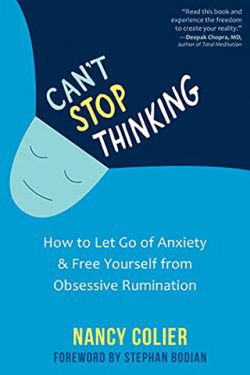
Can't Stop Thinking: How to Let Go of Anxiety and Free Yourself from Obsessive Rumination
Are you a chronic overthinker? Do you obsess to the point of feeling anxious, hopeless, angry, or stressed out? Have you ever tried to “think your way out” of one of these negative thought spirals, only to fall in deeper? Let’s face it: trying to escape your thoughts—or control them—just doesn’t work, and can actually make you more miserable in the long run. So, how can you overcome your addiction to thinking?
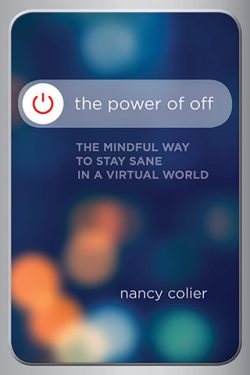
The Power of Off: The Mindful Way to Stay Sane in a Virtual World
Our reliance on technology is rapidly changing how each of us experiences life. We’re facing new issues and difficulties, we’re encountering new emotional triggers, and we’re relating to each other in new ways. As Dr. Nancy Colier writes, “How we spend our time, what motivates us, and what we want are all are on a radical course of transformation.” The promise of technology is that it will make our lives easier; yet to realize that promise, we cannot be passive users—we must bring awareness and mindfulness to our relationships with our devices.
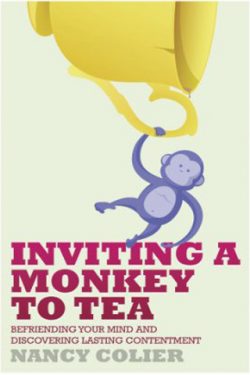
Inviting a Monkey to Tea: Befriending Your Mind and Discovering Lasting Contentment
To “invite a monkey to tea” is to befriend our own mind-which is often compared to a drunken monkey for all its mad twists and turns. A wild monkey is full of irrepressible desires, and thus chases its own tail in its search for happiness! This book is about learning to welcome the mind as ally without fear or resistance, thus relaxing that frantic search and resting in the joy of who we already are. As a psychotherapist, author Nancy Colier has accompanied hundreds of people in their “search for happiness” for nearly two decades.
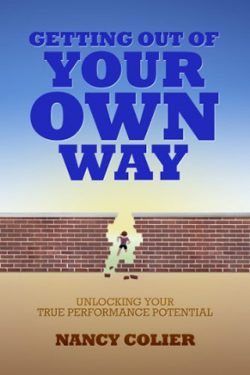
Getting Out of Your Own Way: Unlocking Your True Performance Potential
The primary obstacle to successful performance of any kind is our own mind. In a clear and compassionate style, Colier shows us how to understand and overcome the psychological barriers that keep us from achieving our full potential. The book demonstrates how to radically change our relationship with negative thoughts, move beyond comparison, self-doubt, and jealousy, and stop chasing a perfect and unattainable future and start living the moment that’s here now. Colier presents an “inside-out” approach, and ultimately, teaches us how to build a a strong and reliable core self, from which all performance is born. She offers a ground-breaking new approach to performance, competition, and life.